We invest in the latest robotic technologies to deliver world-class healthcare experiences for every patient.
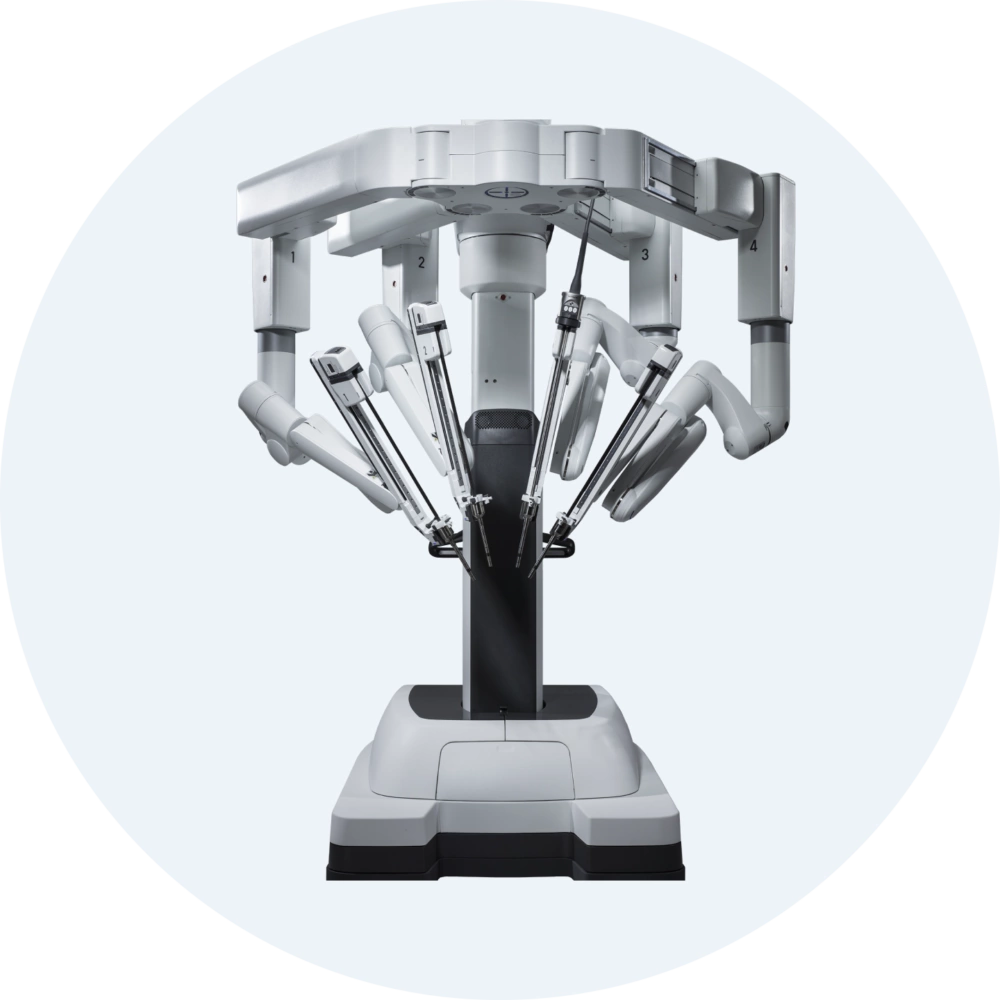
Robotic-assisted surgery is fast becoming a preferred option for patients having certain surgical procedures, and our leading robotically-trained surgeons are supported by highly-trained anaesthetists and clinical teams.
Robotic surgery, also called robotic-assisted surgery, allows surgeons to perform delicate and complex procedures with more precision, flexibility and control.
The benefits for patients can include a shorter hospital stay, a faster recovery time, reduction in blood loss and pain, reduced risk of complications and smaller and less noticeable scars.1
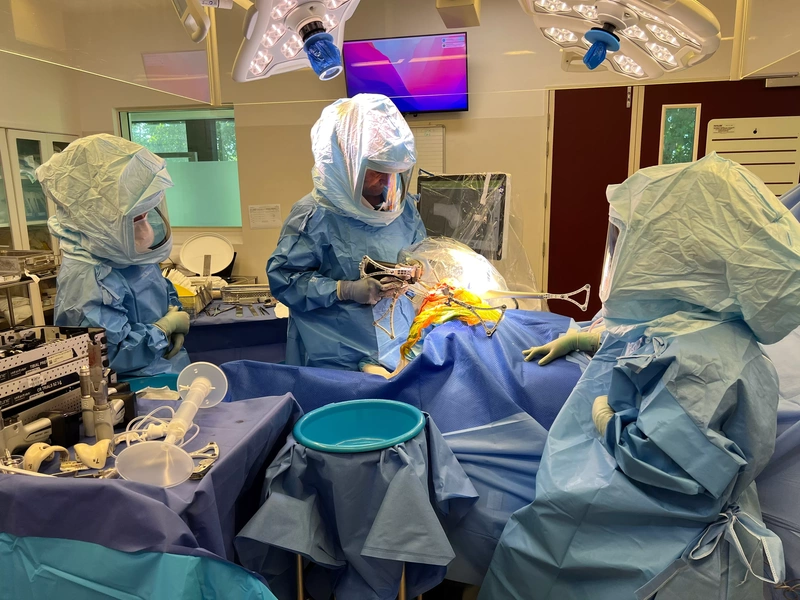
We have invested in three orthopaedic robots – the VELYS™ Robotic Assisted Solution, the ROSA® Robotic Surgical Assistant and the Corin ApolloHipX™ – which are used by robotically-trained surgeons at our hospitals at Epsom and Ascot for total knee and hip replacement surgeries.
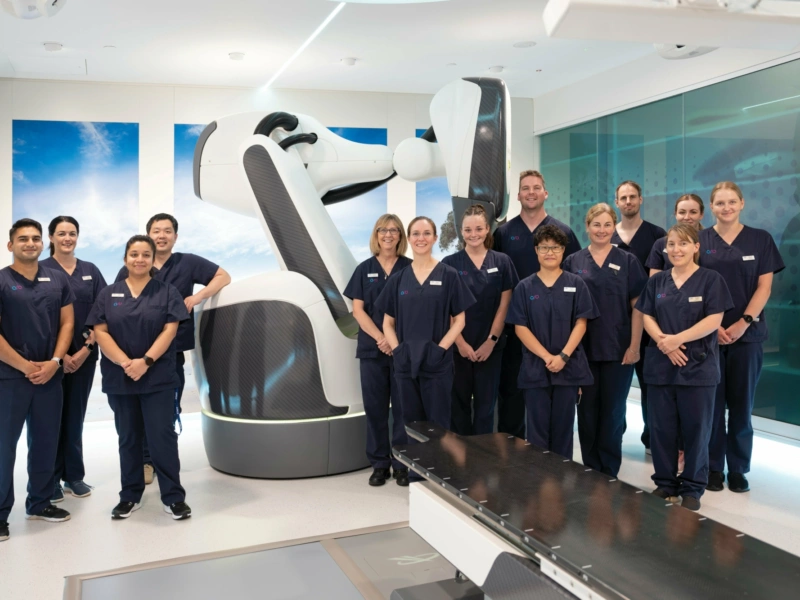
We also have a fourth robot – the da Vinci Xi Surgical System – which is used by our robotically-trained urology and gynaecology surgeons, including for patients with prostate cancer. The da Vinci is used for minimally invasive surgery where procedures are performed through small incisions.
Orthopaedic robots
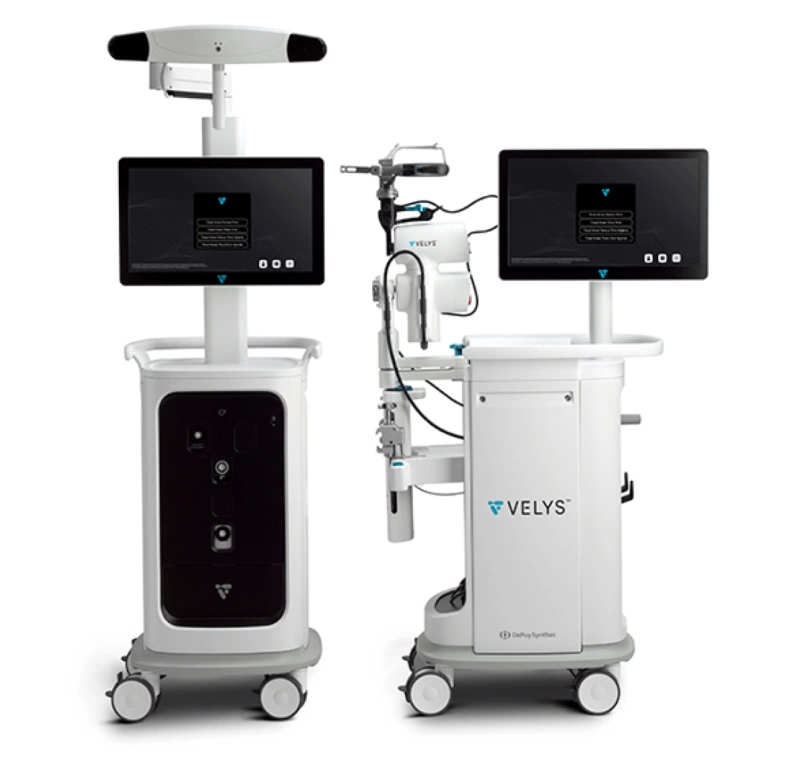
VELYS™ Robotic-Assisted Solution
Read more
Read more
A leading orthopaedic knee specialist who operates at Allevia Hospitals, worked closely with DePuy Synthes on the development of the robotic-assisted solution, including using the technology for the first time in the world at Allevia Hospital Ascot in Remuera.
The VELYS is an exciting new development for a number of reasons.
- It is a first-of-its-kind table-mounted solution, with an efficient design that integrates into any operating room.
- The system adapts to the surgeon's workflow, is designed to give them the control they are used to, and helps them execute accurate bony cuts.2
- Every knee is different, and it allows the surgeon to individualise the total knee joint replacement to match the variable bony anatomy and soft tissue envelope of the patient's knee. This patient-specific technique enables the surgeon to tailor the alignment of the knee replacement to the patient's anatomy.
- It works exclusively with the ATTUNE Knee System, which studies have shown can improve clinical outcomes and patient-reported outcomes, as well as contribute to a shorter length of stay in hospital.2, 3, 4, 5
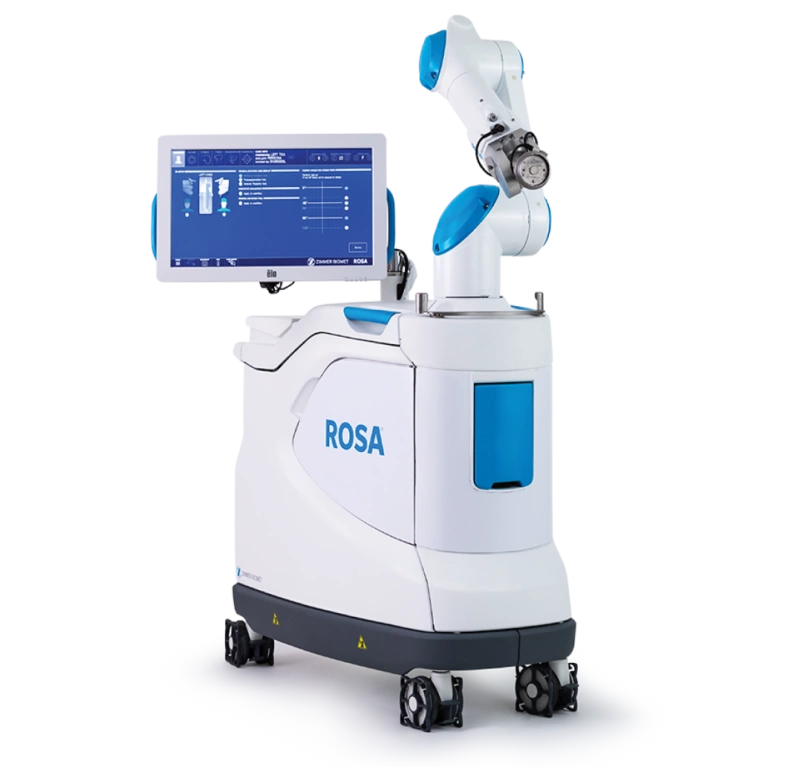
ROSA Robotic Surgical Assistant
Read more
Read more
- The surgical procedure using the ROSA Knee is similar to traditional total knee replacement, but with a robotic assistant that personalises the surgical approach for the patient's unique anatomy.
- During the procedure, ROSA Knee utilises a camera and optical trackers attached to the leg to know exactly where the knee is in space. If the leg moves even a fraction of an inch, the robot can tell and adjusts accordingly.
- Throughout the surgery, ROSA Knee provides the surgeon with data. This information, combined with the surgeon's skill, helps them know how to position the implant based on the patient's unique anatomy.
- Unlike traditional knee replacement methods, with ROSA Knee a series of x-rays may be used to create a three-dimensional (3D) model of the patient's knee anatomy. This 3D model enables the surgeon to plan the specifics of the knee replacement prior to the surgery taking place.

Corin ApolloHipX™
Read more
Read more
The Apollo system equips surgeons with advanced tools to design and deliver tailored surgical plans for each patient. Its fluoro-guided hip arthroplasty features include:
- Compact, multi-application station
- Instant 3D analysis from any standard 2D fluoroscopy image, enabling precise implant positioning
- Millimetre and degree-level precision
- Enhanced efficiency, reducing both operative time and intra-operative radiation exposure
Benefits of 3D Planning and Delivery with OPSInsight™:
- Optimised implant positioning through integrated OPSInsight™ technology
- Seamless compatibility with ApolloHipX™
- Combines advanced visualisation with data-driven precision, supporting confident decision-making at every surgical stage
- Improves accuracy and outcomes in total hip arthroplasty procedures
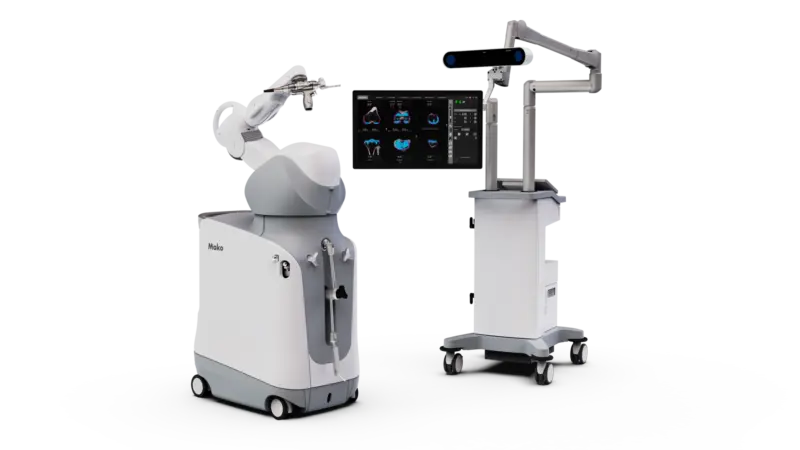
Mako® Robotic Systems
Read more
Read more
The first surgery using the new Mako system – a knee arthroplasty – was performed on is 17 October at Ascot Hospital, marking a significant milestone in Allevia Hospitals’ commitment to innovation and excellence in patient care.
Enhancing precision, accelerating recovery
The Mako® system empowers surgeons with enhanced planning tools and robotic precision, allowing for more accurate procedures1 and reduced soft tissue damage compared to traditional manual techniques. 2,3 This technology not only improves surgical outcomes but also contributes to faster recovery times. Patients undergoing Mako-assisted surgery typically reach postoperative goals sooner and are discharged home earlier than those treated with manual methods. 4 Long-term results are equally promising, with physical function scores remaining favourable even three years post-surgery. 5
A comprehensive robotic ecosystem
The addition of Mako 4 and Mako 3.11 complements Allevia Hospitals’ existing suite of robotic technologies. This diverse and advanced robotic ecosystem positions Allevia Hospitals at the forefront of surgical innovation in New Zealand.
Leadership in innovation
“At Allevia Hospitals, we’re committed to continually expanding our portfolio of advanced surgical technologies,” says Dr Ian England, CEO. “Investing in robotics technology not only improves outcomes for our patients – it also helps us attract top surgical talent from across the country.”
With this expansion, Allevia Hospitals reinforces its role as a leader in robotic-assisted surgery, delivering world-class care and pioneering the future of orthopaedics.
References:
- Lewis PL, Gill DR, McAuliffe MJ, McDougall C, Stoney JD, Vertullo CJ, Wall CJ, Corfield S, Du P, Holder C, Harries D, Edwards S, Xu A, Lorimer MF, Cashman K, Smith PN. Hip, Knee and Shoulder Arthroplasty: 2024 Annual Report, Australian Orthopaedic Association National Joint Replacement Registry, AOA: Adelaide, South Australia. 2024.
- Kayani B, Konan S, Pietrzak JRT, Haddad FS. Iatrogenic Bone and Soft Tissue Trauma in Robotic-Arm Assisted Total Knee Arthroplasty Compared With Conventional Jig-Based Total Knee Arthroplasty: A Prospective Cohort Study and Validation of a New Classification System. J Arthroplasty. 2018;33(8):2496-2501. doi:10.1016/j.arth.2018.03.042
- Fontalis A, Kayani B, Asokan A, et al. Inflammatory Response in Robotic-Arm-Assisted Versus Conventional Jig-Based TKA and the Correlation with Early Functional Outcomes: Results of a Prospective Randomized Controlled Trial. J Bone Joint Surg Am. 2022;104(21):1905-1914. doi:10.2106/JBJS.22.00167
- Kayani B, Konan S, Tahmassebi J, Pietrzak JRT, Haddad FS. Robotic-arm assisted total knee arthroplasty is associated with improved early functional recovery and reduced time to hospital discharge compared with conventional jig-based total knee arthroplasty: a prospective cohort study. Bone Joint J. 2018;100-B(7):930-937.doi:10.1302/0301-620X.100B7.BJJ-2017-1449.R1
- Marchand RC, Scholl L, Taylor KB, et al. Clinical Outcomes after Computed Tomography-Based Total Knee Arthroplasty: A Minimum 3-Year Analyses [published online ahead of print, 2023 Jan 19]. J Knee Surg. 2023;10.1055/s-0042-1759790. doi:10.1055/s-0042-1759790
Orthopaedic surgeons
-
 Nick GormackOrthopaedic Surgeon
 -
 Chris FougereOrthopaedic Surgeon
 -
 Paul MonkOrthopaedic Surgeon
 -
 Jacob MunroOrthopaedic Surgeon
 -
 Janus SchaumkelOrthopaedic Surgeon
-
 Peter HuckerOrthopaedic Surgeon
 -
 Mark ClatworthyOrthopaedic Knee Surgeon
 -
 Ivan SpikaOrthopaedic Surgeon
 -
 Craig BallOrthopaedic Surgeon
Urology & gynaecology surgical system
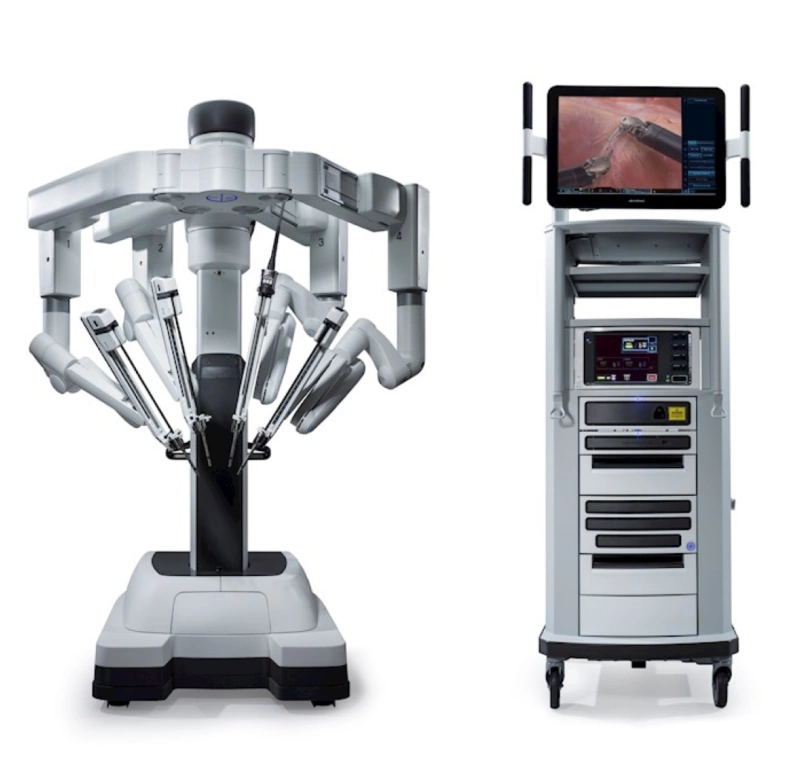
Da Vinci Xi Surgical System
Read more
Read more
- The da Vinci system allows surgeons to skilfully perform surgical procedures through tiny incisions.
- Guided by magnified, high-definition images, the surgeon controls small robotic arms that can bend and rotate in ways the human hand cannot, providing greater dexterity, control, precision and vision.
- The system is so precise that the instruments recheck their position by computer 1,500 times per second.
Urology and gynaecology surgeons
-
 Jason DuUrologist
 -
 Eva FongUrologist
 -
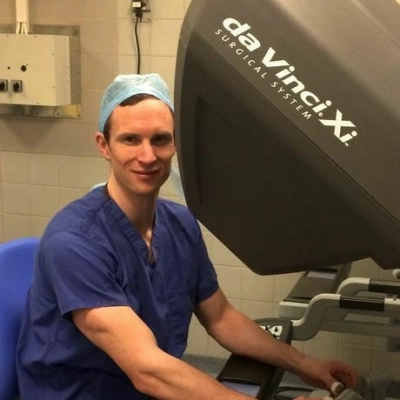 Simon van RijUrologist
 -
 Andrew WilliamsUrologist
 -
 Andrew LienertUrologist
 -
 Sum Sum LoUrologist
 -
 Anil SharmaGynaecologist
-
 Mike EastGynaecologist, Laparoscopic & Hysteroscopic Surgeon
 -
 Prathima ChowdaryGynaecologist & Endometriosis Specialist
 -
 Michael Wynn-WilliamsGynaecologist, Advanced Laparoscopic Surgeon
 -
 Amelia RyanObstetrician and Gynaecologist
 -
 Fiona ConnellGynaecologist
 -
 Padmaja KoyaGynaecologist & Laparoscopic Surgeon



References
- Robotic surgery. Mayo Clinic Health System 2018-2022. Last accessed July 2022.
- Doan G, Curtis P, Wyss J, Clary C. Resection Accuracy Improved during Robotic-Assisted Total Knee Arthroplasty – a Cadaveric Study. Internal Report 103720852
- Hamilton W, Brenkel I, Barnett S, et al. Comparison of P.F.C. SIGMA to ATTUNE: A Prospective, Multicenter Study. Podium Presentation at the Closed Meeting of the Knee Society, Sept 2018, St Louis, MO, USA. 2018.
- Fisher D, Parkin D. Optimizing the Value of Your Patients’ TKA: How to Leverage Data from Patient Reported Outcomes, Becker’s Hospital Review, webinar recording, Oct 2019, www.ATTUNEevidence.com/clinical-evidence, last accessed 10-18-19.
- Ranawat CS, White PB, West S, Ranawat AS. Clinical and Radiographic Results of ATTUNE and PFC SIGMA Knee Designs at 2-Year Follow-Up: A Prospective Matched-Pair Analysis. J Arthroplasty 2017; 32:431-6.
- Statement based on x-ray based imaging imageless case option, and reduced instrumentation through pre-operative imaging.
- Parratte, S., et al. Accuracy of New Robotically-assisted Technique for Total Knee Arthroplasty: A Cadaveric Study. The Journal of Arthroplasty. 2019, 34(11): 2799-2803.